February is fast approaching and if that isn’t clue enough that this year is off to a jump start then you’re sleeping and should wake up before Christmas hits you in face. Really, can you imagine that in a bit it’ll feel like a few weeks have passed by and we’ll be saying, but wait wasn’t it just Thanksgiving. Yup, you better strap in and hop on for the ride. It promises to be a wild one.
Weatherwise, the South has always been a bit iffy regathering extreme weather but of late things have been a bit dicy. I’m usually in the peachy state every year for the holidays so nothing new here except that this winter they’ve been talking ice storm and snow while the weather is flipping between warm and cold from day to day. It’s no wonder the flu and all its variants have been making the rounds. I try not to succumb by keeping on the go and for sure the doggone weather is keeping me on my toes.
One thing I’ve learned early on with Winter and not succumbing to illness or the “blues” is that staying on the move is always the best bet. It helps me to have a exercise schedule to combat weather associated lethargy and feelings of stir crazy. On the days that its cold or wet out and I can’t run or cycle, the gym is a welcome haven. And on the not-so-rare-anymore days of an ice or snow storm, well those are good off days or workout-at-home days. The key is to have a plan and work it so you don’t feel as if your life has been upended when Winter hits. Notice I said when and not if, and that’s because we’re talking those melancholic and bluesy feels we get during this time of year. Whether you’re the kind of person who gets those feels or not, I think it’s safe to say we won’t always feel the same and sometimes life just hits different. In every event, proactively planning to stay on top of things is not a bad thing.
Maybe I’m talking from a place of how’s a city girl to do Winter in suburban Georgia. If that’s not you, then humor me while I get out of my head a little and share what my offensive winter exercise schedule looks like for a typical week. Sundays are always Church and rest day. I generally go to the gym on Mondays, Wednesdays, and either Fridays or Saturdays where I alternate between working on my lifts, since I’m not currently doing Cross fit, and doing boot camp, barre or pilates. I usually cycle or run to and from the gym which is roughly two miles away. Tuesdays and Thursdays are running or riding days and that’s anywhere between 5-8 miles. Since I’m the primary caretaker for my mom, my schedule is slightly flexible and revolves around her. It’s been challenging getting to a place where I’m actually keeping a schedule now but it’s way better than arbitrarily figuring I need to get a workout in, which would be after the fact of one of those said feels. I think premtively is better for all concerned. In all honesty, it doesn’t always work out as planned but it’s doable, and I can be flexible to make it happen withing the span of 12 hours and that works for me. The key is figuring out something that works for you that’s not necessarily too easy so as to work in the challenge factor.
And there you have it. It’s not genius but it’s determination and possibly survial. Somehow, amidst the crazy ups and downs of life it is possible to stay sane, muscle up, and burn some calories while we’re at it. I’m a survivor, I’ll keep on surviving. And you will too! I think that song totally aged me. 😁
Over the years I’ve said a lot and a lot have been said over the issue of New Year goals and intentions. In fact, I weary now of all the chatter, that mostly it’s just that – chatter. I quite prefer action over and above the noise. Some would say I’m getting older and losing my sense of adventure or maybe I’m just going through a challenging phase. I might go with the latter and strongly refute the first. Older, yes, losing my sense of adventure, no. But yes, challenging seasons tend to alter our outlook some and so I find myself entering this New Year a bit more pensive, if you will. I know perspective is important so I’ve taken that into consideration and adjusted my outlook to reflect someone who is hopeful and forward thinking. That said, I’m grateful to God for growth opportunities this year and look forward to changes and momentum.
In keeping with a positive and fresh perspective for the New Year, I think it’s important, and necessary even, to surround myself with a forward thinking or visionary projection to center and encourage my thoughts, attitudes, and behaviors in order to see the growth I expect. You see pensive isn’t a bad thing, it gives me pause and opportunity to sit and sort my thoughts and allow for clarity and order to emerge from the muddle and confusion of the past months. Unarguably, we are so much more empowered to move ahead or dive in with a clearer head and a brighter picture. Such is the power of a vision. So I’ve sat and prayed and ruminated, and I’m ready to see the bigger picture. A picture that includes a path that is winding – some ups and downs surely, but hope springs eternal because there’s room for respite. A pastor I admire have asked his congregation to “DARE” again. D – dream again. A – ask again. R – risk again. E – engage again. I think it’s a great acronym to embrace as we step into 2026. Sometimes life can stifle your dreams with challenges and struggles that leave you feeling beat down and exhausted. A new year presents the opportunity to put the last year and it’s disappointments behind us and to believe for better things once more. God’s Word says we have not because we ask not and when we do ask it is with the wrong motives. Well Lord, here I am asking. Purify my motives and give me a fresh vision and a fresh start. Give me new hope and strength for the things I desire for Your glory this year. All fear aside, because I have power, love, and self discipline, I’m embracing faith and taking the first step even when I can’t see the whole staircase. No risk, no reward. Thankfully, God’s with us. Lastly, I have determined to engage the Word of God and engage with others this year. It’s so easy to isolate and/ or hide behind a screen or situations when things get challenging. Been there, done that. It hasn’t been an effective strategy. This new year calls for a new strategy. I’m choosing to engage and I hope you do too.
My friends, pop the champagne, let’s drink to a year of steps ordained by the Lord so that we can navigate life with wisdom, grace, and authenticity. I embrace this opportunity for new lens, renewed purpose, and joyful strength to face whatever is before me. I see growth, transformation, and momentum as I move forward daily by God’s grace. While my objective reality is skewed toward uncertainty and distractions, I choose to focus my faith on the One I know to be true and present with me and so I claim a path forward of peace and purpose. 2016 is my year to bloom where I’m planted and to sow the seeds I gather along the way: seeds of patience, grace, wisdom, humility, compassion, kindness, and gentleness. It’s not too late to get your heart and mind right. Join me. Our reward will be great!
Life happens to us all. They say if you live long enough, you’ll see it all. Now, I’m not a Debbie Downer or anything, but I’ve lived long enough to see that a good head on one’s shoulders – like my grandmother used to say – goes a long way in helping you face the challenges that will come. Life can be hard: seasons can be hard, transitions can be hard, relationships can be hard, saying goodbye can be hard, waiting can be hard, juggling a busy schedule can be hard, dealing with health issues is hard and there are a hundred other hard things we can and will face if we live long enough. Man or woman, none of us are exempt. Unfortunately, hardship in life is certain. Fortunately, we grow through what we go through and in the end it’ll be alright.
In training and working with clients, I talk a lot about our ability to do hard things and I encourage myself and others in pushing limits and being ok with things that stretch you. The way I see it, in life, we will encounter goliaths. For my part, I’ve faced a few especially this year and I find it consoling to know that it’s not just me. I have friends who have had their fair share and others who are currently in hard seasons. There are also many accounts from biblical history to our modern day of those who have struggled through hard stuff and had to find their way to the other side. Now, I’m not out here celebrating another’s struggles but it’s consoling that goliaths are not handpicked for me specifically. We will all encounter them. Turns out the path of the biblical narrative of David and Goliath is more oft traveled than we think.
Today as the end of year approaches, I feel the desire to wander down the road of hard things that I’ve had to face in 2025. It’s worth noting that when I stood on the cusp of the then new year some twelve months ago, it looked and felt so different from where I am right now, and while that’s not a bad thing it is the result of a Goliath I was faced with and the ensuing hard choices that followed.
I can’t talk hard choices without talking faith. My faith in God has been the glue that has held things together when life’s been all kinds of uncertain this year. I’ve had to navigate the challenges of transitioning from one state to another, giving up my job, my apartment, my community, activities, changing churches, and parting with my friends and my favorite city and running home for the past fourteen years. In hindsight, it all happened way too quickly and I really couldn’t take it all in then. Now I know it was the grace of God that allowed me to zero-in on what was ahead of me.
These days I’m pretty nostalgic for the city that holds a chunk of my heart and so many running and CrossFit memories. I ran my first marathon in New York City and just about every race and down every street, and ran in Central Park until I knew every nook and cranny, so saying goodbye to 10+ years of running those streets is a process and I’ve given myself permission to grieve this loss. I could not have known that moving wasn’t the hardest thing I’d face this year. I talked myself into believing that I had peace about the move so it must mean I was confident, able, and excited even. Maybe I was a little of all of those things but the reality of an aging parent in my care would take a few months to sink in. One day it just stopped being like one of my weekly visits to the nursing home that I had done back in New York where the residents were always so pleased and grateful to see me. It became all too personal and real and full of icky emotions and imperfections and I realized, goodness I don’t know what I’m doing and I don’t know if I can. Thankfully, God’s grace is real and it’s enough. Its kept me through the hills and valleys and given me strength to keep on moving. Some days it’s a climb, some I’m out here running, and on others I have to settle for a walk. While I deslike settling, I hate no momentum so I’ll take the slower days gratefully.
Meanwhile, I’m learning my environment and figuring all too quickly that I’m a bit of a tadpole in a frog pond – a bit out of depth moving into my family’s home and having to learn them and they me. I’m still assimilating, still figuring out how to coexist in harmony while being dependent on others for things I’ve taken for granted in the past, things like quiet time and going for a run. Amidst all of the changes, one of the hardest has been changing churches and moving away from the community I had become a part of. I’m still finding my way around that one and slowly figuring new ways to connect. I have responsibilities now and my time is accounted for. I am learning to be ok with that while establishing boundaries for myself and others.hard things. Some of us still are, but I’m believing that when it’s all said and done we will have all defeated our respective goliaths and helped others along the way. In fact, I’m dubbing 2026 the year
I am doing hard things. Chances are so are you or so will you. The good news is that seasons don’t last but with a “good head on your shoulders” you can outlast them. I’m believing for victory, success, growth, strength, and resilience for you and me. May 2026 be the year of facing up to our goliaths with courage, faith, and determination. We can do hard things!
After living in New York for over 10 years, I find myself feeling a bit at sea out here in suburban Georgia. For the most part, this city girl moves under the power of her two feet whether that means running or walking, and there’s biking when I’m plumb out of pocket of options. Because my feet are the primary mode of getting around, I place a high value on my ability to move: speed, agility, and strength, being the building blocks of my mobility. That said, I’m super grateful that I have these options out here even when passersby feel the need to stop and offer me a ride. It’s that southern hospitality they’re famous for or so I tell myself. I suppose it’s a bit of a rarity to see someone walking or biking from the grocery store. On a side note, I went to the local Walmart on a scouting mission to look for some decorative stickers and found myself on the receiving end of a few curious stares and comments as I meandered through the aisles with my bike. Next time I’ll probably park it, though I didn’t notice any designated parking. I am unfazed by the novelty I present to these driving surburbanites. I run to the gym, the pharmacy, to family and friends, to the library, and anywhere within a five-mile radius whether for purpose or fun and sometimes fun is the purpose. Interestingly, I don’t run to church, well for two reasons really: it’s a bit farther than five miles, which just happens to be as there’s a church on almost every corner. They don’t call it the Bible Belt for nothing. Also, running to church is impractical even for me. I mean, the shoes, the dress etc., the good Lord knows it just wouldn’t work. Jokes aside, running is one of the ways I get to explore my neighborhood and find little hideaways – the less-traveled path if you will. Plus, taking care of an elderly person warrents some running away for mental and emotional health – it’s a bit of a destressor and I make no excuses for that. I’m just grateful for the opportunity and the ability to get going when the need arises. When I’m out walking it’s usually with a goal in mind and may include the grocery store, the thrift store, from the gym somtimes – after a grueling workout. I also take mom out almost-daily on short walks in our neighborhood as well. Walking – the slowest of my options is not my favorite as you may have guessed. I much rather a faster pace, which running and biking allows me. It turns out that getting the bike was one of the best decisions I made in 2020, even though it was for a triathlon that’s yet to happen. Since then, its taken me places and afforded me a greater bandwidth in terms of exercise and movement than I had before. I’m glad I didn’t get rid of it when I moved down and had the presence of mind to plan ahead in this regard. Biking around is growing on me as most of it happens on the roads and I’m still growing confidence to ride with traffic. I think the cars are getting accustomed to me too. Bike lanes are not so much a rarity but just appears at random and doesn’t go a whole lot of anywhere really. Like the running community, biking isn’t so common either – at least not in the neighborhoods. I did join a local Tri club, so there’s proof the community exists. But as with everything in these parts, they’re a bit of a distance away and I have yet to make it to the meetups. On the other hand, I have been swimming in a local pool and working up my nerve to get in the open water next year. Step by step, bit by bit, I’m confident I’ll get there. I’m getting better at accepting that things won’t always happen when I want them to or just because I want them to. Sometimes, it’ll take a while or turn out a bit different than I want and that’s ok. I just have to do my part and that is enough. I guess the next question is, what is my part? I’ll just say for now that in each season of life “my” part may look different and so could yours.
Most Americans will agree that Thanksgiving is about family gathering for the thanksgiving meal with a lot of focus on the turkey, the sides, and desert. Post dinner and it’s time for football, not the playing kind but the best kind where – Monday quarterbacking happens – from the couch. But there are a few who start the day with a Turkey trot or a derivative thereof so they can justify the calorie overload that’s coming later that day and even weekend in some cases because the truth is we’re sometimes still having thanksgiving leftovers come Sunday.
But there is a way to not let this American tradition erase your resolutions that have been moving along without much disturbance for the most part. There is a way to stand strong and run the race you decided on January 1st of this year and it doesn’t involve ditching thanksgiving or fasting turkey and all the trimmings or the dessert table. Too many times we move to extremes when we feel cornered but what if the solution is right in the middle. Yes, what if the secret, a secret any longer, lies in moderation. I’ve heard so many people take sides on the issue of what their favorites are and we’re all entitled to have some or the other but what really needs to motivate our eating habits on this day and subsequent weekend is our commitment to healthy living every other day of the year.
So here’s my take on what this day and season could look like that won’t leave you feeling guilty or cheated. Plan ahead to begin your day with some sort of exercise: a walk, run, ride, workout – always better with friends. Then get involved in the food preparation. Staying actively involved in the meal prep will stimulate your senses and keep you on the move and not just idiling and more prone to eating or snacking. Be sure to stay hydrated and it’s safe to do some taste tests and even have a small amount for an in-between meal so you are satiated and not running on empty. Have a plan for your thanksgiving plate including your desert option for the family gathering part of your day. I’m willing to bet that after eating you won’t be much into seconds with all sensory overload from your exposure to all the prepping. My final recommendation is try not to have too late of a night as you’ll likely be tired and have less self control and so be more apt to snack. Stay committed to having a restful night by keeping moderate bedtime hours so that you can awake early and energized. Early morning exercise the morning after is also a good way to keep you committed to making healthy decisions for the rest of the weekend. As you move through the weekend, always remember that small plates go a long way to help with portion sizing and in keeping you happy and healthy. Pay attention to your plate size and keep yourself active around or outside the home and away from the kitchen. It is always better to manage your expectations and habits rather than have to deal with the fall out. Stay healthy and be well my friends.🙏🏼
“A dream written down with a date becomes a goal. A goal broken down into steps becomes a plan. A plan backed by action makes your dreams come true.”— Attributed to Greg S. Reid
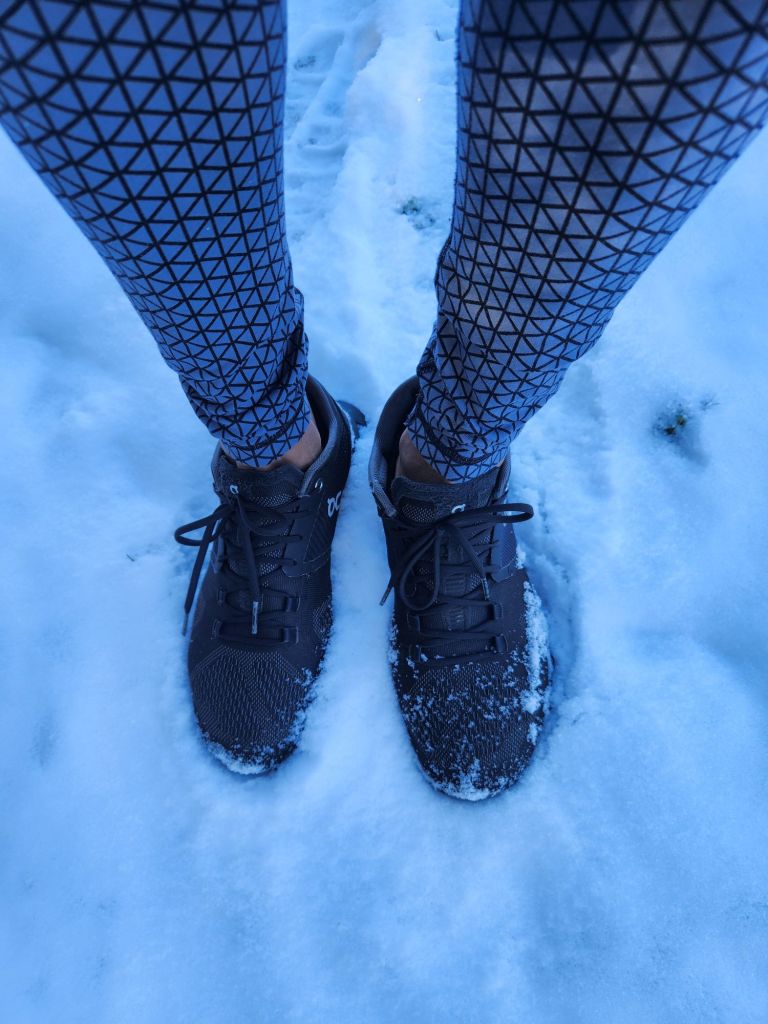
I got up today, threw on some tights and a shirt, laced up my sneakers, and ran out the door. It didn’t matter that it was wet. It didn’t matter that it was suddenly cooler. It didn’t matter that my heel still hurt and my back was still sore. It didn’t matter for a hundred reasons. It mattered only that today is D-day. On any given day, I could give a reason as to why I wouldn’t run, shouldn’t write, couldn’t make the time. But today is not that day. Today, I’ve determined to take one step in the direction of my dreams, forgetting the days behind me and looking ahead to the possibilities wrapped up in all that’s before me. I will not waste another day in the I -will-get-to-it-soon camp.
You see, there are a dozen reasons and hundreds of excuses for procrastinating. I’ve been there, done that, and it doesn’t make getting the thing that needs to be done any easier. Akin to that dig-deep feeling you get when you’re running and tired and you’d love to call it quits and just stop but somehow and from somewhere you feel resilience bubbling up – and like a phoneix rising from the ashes -you’re able to shake it off, fan those wings into a flame and burn a path to the finish line. It must be the runner in me but I have this desire to get back on the trail of my passion for writing about my health and fitness journey. Gratefully, technology makes it hella easy to just dive in. For unlike the “ole” days when I would quite literally take pen to paper, I only grab my phone, find a corner and some silence, thumb out a few words, and voila, today is d-day! The thing about falling off a routine is that it’s actually way easier that most of us anticipate. All it takes is no accountability and some procrastinating and pretty soon it’s a thing I used to do that I’ll get back to soon and almost two years later you’re like me wondering how the heck did I fall off the blog. Truth is I know what happened, life did. Life happens to us all. In fact, it’s happening right now. You and I, we’ve got choices and decisions to make daily that will either take us in the direction we want to go or not. I won’t bore you with past choices, but I will tell you that today I choose to write and I have every intention on going for a run tomorrow. It won’t pay to get too ambitious, so I’ll leave it there for now.
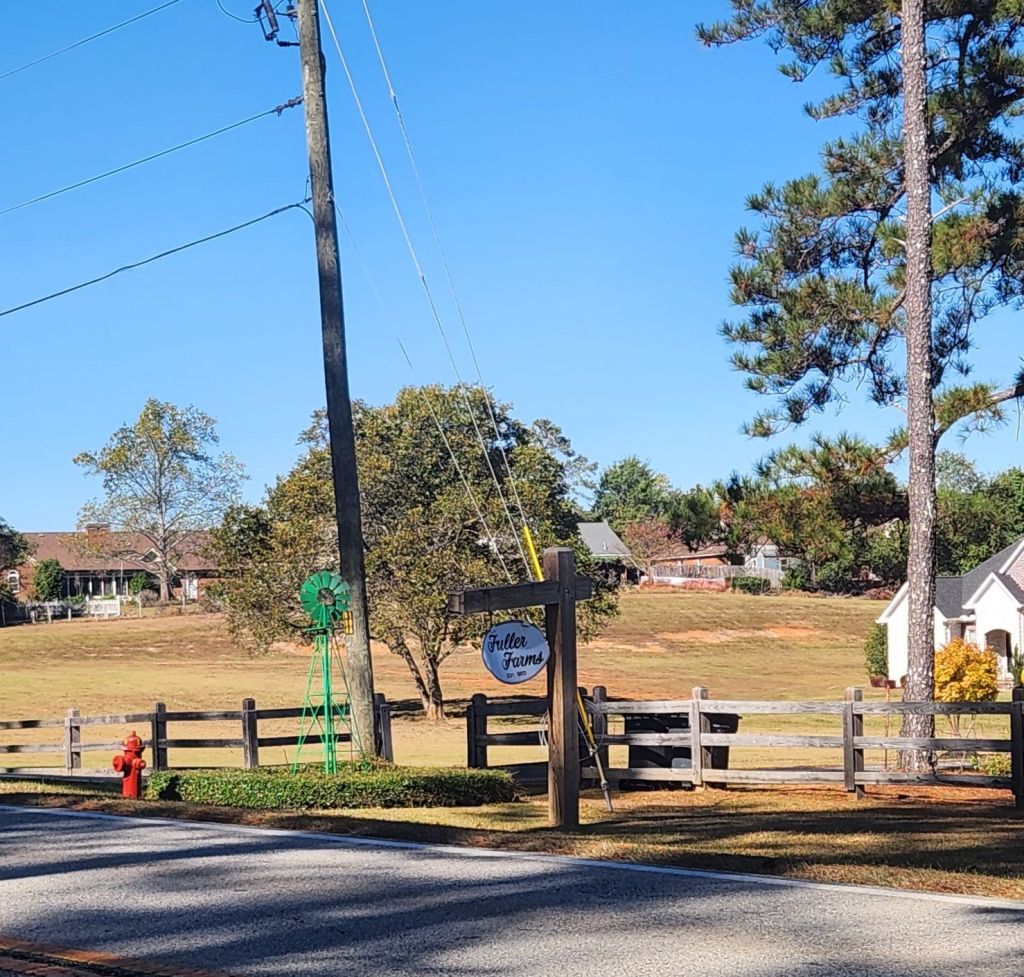
Back to the run today though, it was the best kind – easy and pretty or pretty easy. I ran 2.5 miles to the gym, worked out, and then ran back home. Running in Georgia in the Fall season can’t compare with New York at all. The weather is so much warmer in these parts thankfully, mostly, I think, so I can run at midday and feel pretty good. It was a gorgeous sunny day, mild really, so I was able to stop on the way home to grab a couple of pics and appreciate the Fall foliage. I ran past farms and lots of greenery with some construction and traffic tossed in for good measure – and for a few minutes I could have almost imagined I was back in the big apple, zigzagging crazily to avoid ending up as road carnage. I ended up taking to the brush to keep pace and the lack of sidewalks reminded me that running in suburban Georgia is at my own risk. No matter, I won’t be thwarted. This city runner knows how to get around anywhere and everywhere is fair game when you’re low on options. And, well, let’s just say there are no commuter trains out here. No worries tho, I have feet that’ll take me where I want to run and then there’s biking around. The rest we’ll figure out I expect.
And that goes for writing too. I have a few ideas bubbling around that I’d like to mix and match with running.
Hot is more than how the stepper in front of you looks my friend, it’s a current state of being these summer days. I’m not quite sure about in other parts of the world, save for the Caribbean and here in these United States, but I’d wager that the temps are a bit on the upside just about everywhere this side of heaven. No climate debating tho, it’s just too damn hot for all that. Lol. Personally, I feel I’m the only one concerned about self-combustion, everyone else is just skulking around in less and less clothes. On the run tho is an entirely different affair. We’re out here sweating something crazy! Which reminds me of how we can overestimate our capacity sometimes and get tripped up by the smallest of things – in this case, staying hydrated.
See, we only watch these superhero movies and some of us pretend but spoiler alert, it’s not real! We’re still humans, and outside of our capacity for love and compassion – still sort of superheroish I think – we still have to do the needful and drink not so dumb stuff like water. And in greater amounts too! So superhero size that if you want, but don’t leave it out no matter what you do. According to Harvard School of Public Health, drinking enough water daily is important for many reasons including: regulating body temperature, delivering nutrients to the cells, keeping organs functioning properly, preventing infections, improving sleep quality, cognition, and mood. The truth is they had me at the “keeping organs functioning properly” – that part. I would not want to know me without properly functioning organs – all 79 of them – because I probably wouldn’t be able to walk much less run. Sounds painful. Also, we’re out here conversating, drumming up ideas, and firing up our imaginations. We need to be alert, have clarity, and the right energy etc., Who doesn’t need a good night’s sleep! In fact, many nights. I promise you wouldn’t want to know me sleep deprived either. And thank God you don’t have to! We are blessed to be living in a part of the world with access to drinking water.
Modern day conveniences have brought about not only access to drinking water, but a host of other much-touted H2O alternatives in the form of juices, energy drinks, sports drinks, flavored water, vitamin water, sparkling water, and even bottled coconut water. Choices. Choices. What to do with all these choices? The literature out there still gives preference to water as the #1 hydrating beverage for the average Joe who engages in any exercise activity up to thirty minutes. For endurance athletes and others engaging in exercise activity for longer durations some type of sports drinks may be necessary to maintain energy levels needed for exercise but there are also protein and carb options like dried fruit and nuts and healthier protien bars that can fuel energy. Most health experts agree that it’s best to stay away from sugar-sweetened beverages when trying to stay hydrated. They’re just not worth the use, says Professor Walter Willet of epidemiology and nutrition at Harvard T.H. Chan School of Public Health. Luckily, I am an advocate for flavored water where I can add my choice of veggie or fruit like lemons, cucumbers, and a host of others. You’re entitled to go a little crazy with these options and find what excites your taste buds. And if you’re feeling like a dose of comfort with added energy, it’s safe to have milk, tea, and coffee to bring up those hydration levels too! Oh and have lots and lots of watermelon. It’s something crazy like 91% water and naturally sweetened. You can’t go wrong with that!
Experts recommend 11 cups of water for the average Jane and 16 cups for Joe – milk, coffee, and tea included. So now that we’ve established what to drink, the rest is pretty easy right? In the words of Nike, just do it. Typical daily hydration involves me usually greeting the day with a big hearty slug of water, because gosh, it feels like I’ve been running in my sleep, I’m always so thirsty. Then, I fill up my water bottle (1 litre): water and fruit and I usually drink it out in 4-5 hours and have a refill, which usually lasts through the night. Running hydration is separate and different. Most running days before a run, I would do rink 8 ozs of an electrolyte supplement and replenish with water and a shake when I get back. Usually, for a short workout run, I don’t run with fluid but hydrate when I get back from be running with water and sometimes a protien shake. If it’s a longer run, I would usually get water from targeted water fountains in the areas I’m running. I’m considering getting a hydration vest, which will allow me to run with my own fluid. I have friends who have it and they swear it’s a game changer. This summer heat has me convinced I won’t regret the investment. LoL that’s right, it’s expensive but worth it.
So there you have it – my humble attempt at staying hydrated this summer. Don’t hesitate to share any ideas you have on your hydration method. We can swap sap tips LoL. I’ll be glad you did and we’ll be better hydrated together.😃
I’m not even gonna bother with the fact that we’re in May except to say it’s been interesting around here with April showers showing no sign of stopping. With a weather that’s been all over the map this year, one kinda just has to go with the flow and so running just sorta happens these days. In addition, my back issue continues to mess with me, which makes it harder to get into a steady running flow. But yours truly is always up for a challenge and I’m confident, by God’s grace, that I’ll get there. In the past, patience hasn’t been a strength of mine but I promise I’m getting better and so there remains hope for other areas as well. I have a marathon to train for y’all! And these sneaky months are almost too much. The summer’ll be over before it even gets here and then it’ll be marathon time! I can’t process that right now, so I won’t. One day at a time sweet Jesus, as my mom would say when I was little. If there is a lesson to be learnt, and there is, it’s to be present HERE (wherever that is for you) and to live each day fully. Nothing less required, nothing more expected.
Pink and Red Azeleas
Living each day fully simply means focusing on the present and what one can do right here. It means smelling the flowers, cherishing its beauty, appreciating its purpose, and allowing oneself to be wowed by it all. So how about those flowers then? The literal ones: those cherry blossoms, lavenders, irises, tulips, daffodils, azeleas, pansies, peonies, dogwood and magnolias. And then there are the figurative ones: health, opportunity, family, relationships, gifts, talents, faith, etc. I’ll be honest, literal flowers are by far prettier and so much less complicated and messy. That’s not to say I’ll choose them over what I’ve got, well not always anyway. LOL. Don’t worry, this is as deep as I’ll get. Spring blossoms and so does the garden in my mind. I’m suddenly all about rooting out the weeds and making room for new seeds and giving the flowers an atmosphere to blossom fiercely. After two years that felt like a drought of sorts, I imagine we can all benefit from some mental spring cleaning and taking the time to tend the garden of our minds. Till the soil, uproot some things, plant some seeds and water/love the plants and watch them bloom. Sounds like work. Sounds like it’ll take some time. Sounds like an investment. But oh, the returns!
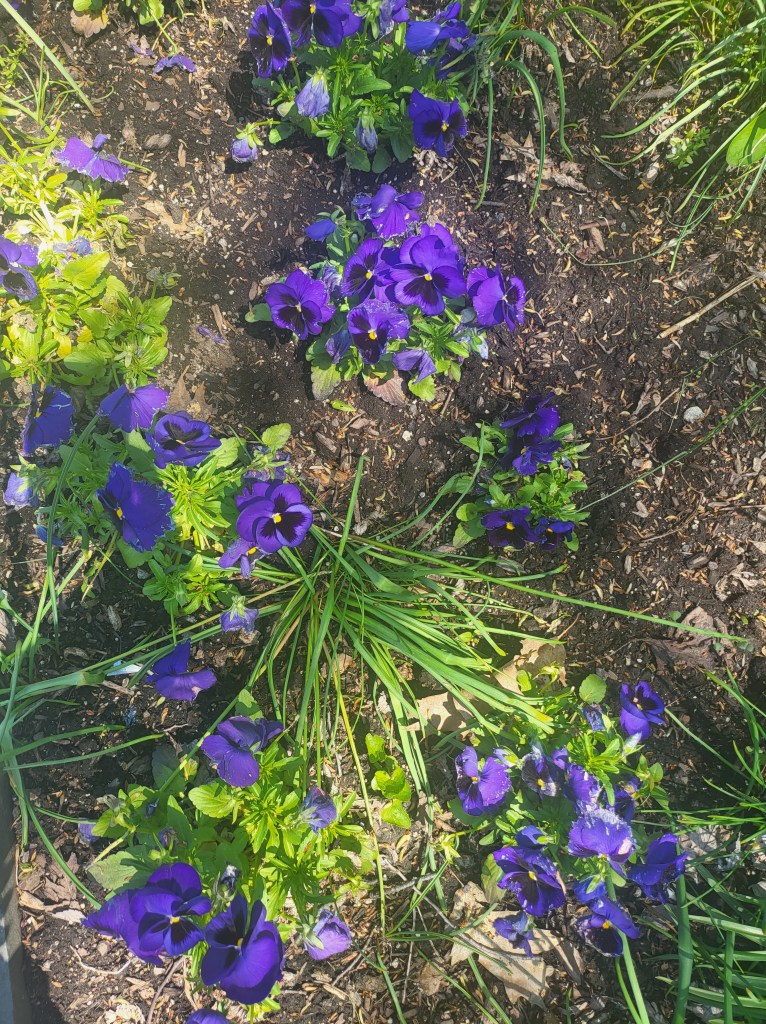
Purple Pansies (above) and Candy Tuft
Can I tell you that running in the Springtime is a renewing, refreshing, and affirming exercise. It is simply exhilarating to literally inhale the fresh sweet smell of the flowering trees, to take in the bees greedily guzzling up the nectar from their favorite flowers and the butterflies pollinating from flower to flower, while the birds try out their new spring songs and squirrels dash about crazily in the hopes of a treat. You might even be treated to some jazzy notes from a random performer (not-so-random I think) or even get to strike up a note w a quartet at various points. This is the scene in our city parks this Spring my friends. If you’re able to, you want to take advantage and get out there to witness this pleasing assault on your senses while upping your heart rate and trading off any anxiety and stress. You’ll find that the benefits far outweigh the sacrifices of the couch, getting up earlier, pushing through exhaustion, and/or lacing up those shoes and going for a run. Also, while you’re out, it is worth your while to quite literally stop and smell whatever version of roses or flowers you meet. That’s one way to tend to “the garden” and sow some seeds.
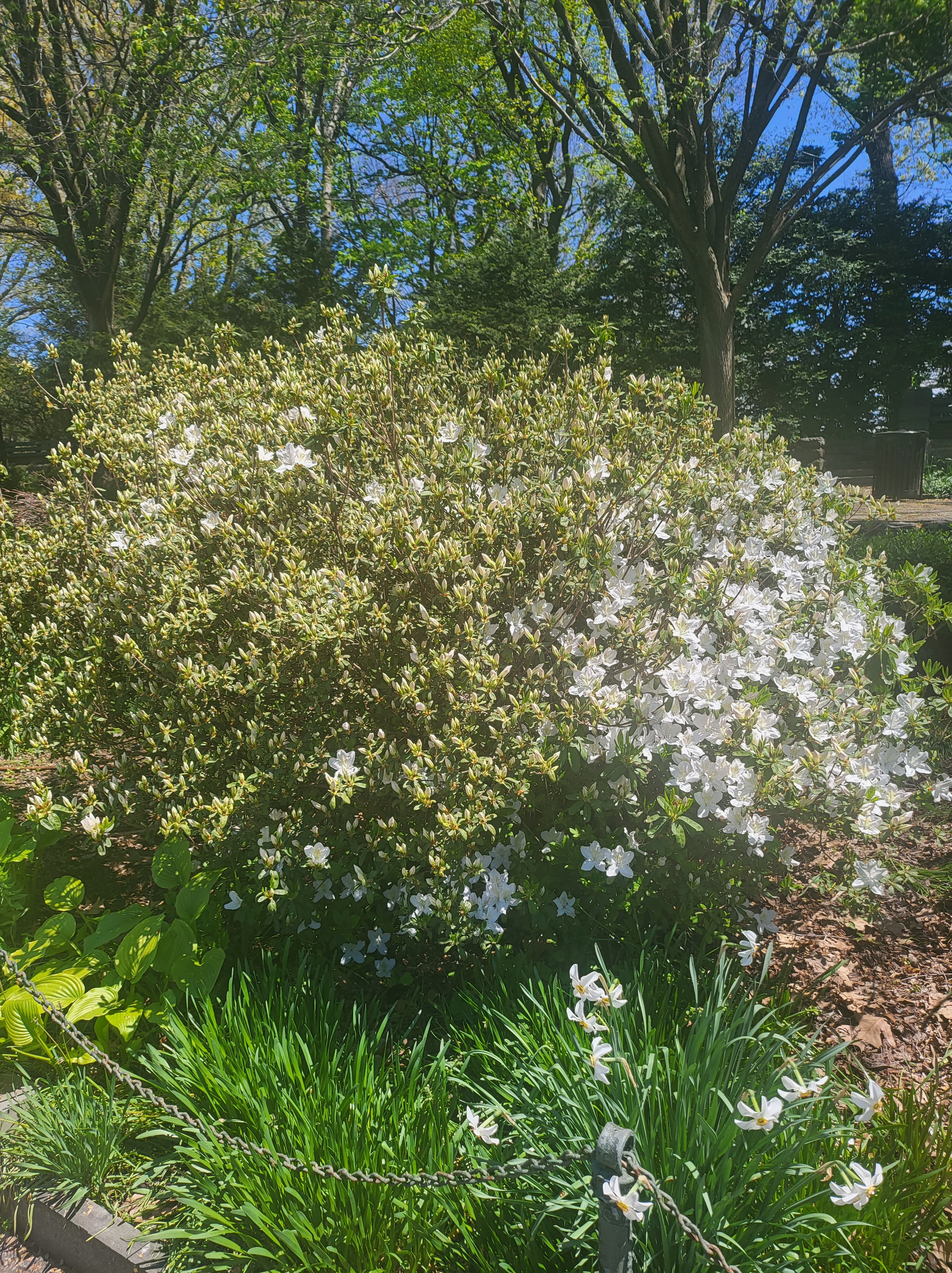
White Azeleas
You can probably tell I’m a bit of a messy soul. Yes, plants and nature and gardening are my jam. Along with running, and biking, and hiking and a hundred other things. I’m literally a LOL kinda gal so forgive me for wanting to drop that all over my writing, and let’s just say I get around with my interests and activities. I recently went out trotting in our city with the sole intent of checking out spring happenings in “the garden” around me and it was such a treat – a party for my senses really. The result was a barrage of photos of which I chose a select few for your pleasure. Flowers are pretty amazing in their tenacity (I’m taking creative licence here) to push their way out, amidst great odds at times, to assert their presence and demand our admiration. In a world with so much else vying for our attention, I think we could do a lot worse than give in a few times this Spring. Blink twice and it’ll all be gone to make way for another. Don’t mind then if I just be present here for a minute, or a day, or two. Take the time and let the flowers wow you my friends. You won’t regret it!
Virginia bluebells, Azeleas, and the GW bridge Walking/Running Path
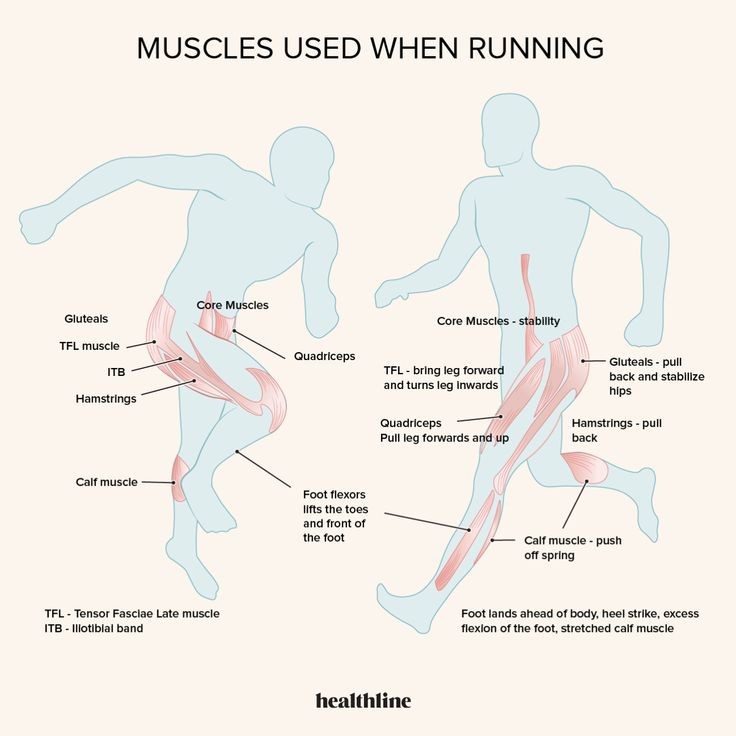
The human body is amazing in structure and capability; strong, resilient, and adaptable. Even so, it can be unsuspectingly fragile when put under rigorous pressure and repeated strenuous activity. In other words, superhumans we are not. But we try and though the results can sometimes be painful, it doesn’t faze us. And that’s ok because where’s the fun in living within the confines of the fear of getting hurt. Surely, it is better to move in knowledge and confidence taking proactive measures to guard against injury as much as it is within one’s power to do so. For this reason, I’ve opted to empower myself with the knowledge to help me move in a healthy and safe manner and inspire you to do the same.
Continuing from where I left off last post, today we’ll look at other common injuries that affect runners beyond the knee. Some are Shin splints, Plantar fasciitis, Stress fractures, Ankle Sprains, Tendonitis, Pull muscle/ muscle strain, and Back Pain.
Shin splints or medial tibial stress syndrome, are the most common cause of lower-leg pain in athletes. They are overuse injuries meaning they occur overtime through repeated use (Robert Wilder MD). Experts suspect shin splints affect anywhere from 5% to 35% of all runners. Shin Splints refer to diffuse pain along the inside of the shin. Pain is typically felt in the bottom 2/3 of the “Medial tibia” aka the inside of the shin. Common symptoms associated with shin splints are: dull pain affecting the lower inside of the shin, pain occuring during activity, tenderness of the area, calf muscles, and decreased ankle flexibility. According to Dr Wilder, Some causes and risk factors include: intensified training, hyperpronation, flat feet, improper footwear, running on hard air uneven surfaces, and bad running form. In addition, many experts believe shin splints are caused by inflammation or other minor damage to the calf muscles, tendon or tibia. While the exact root of pain may not be clear, treatment involves rest, icing, and over the counter NSAIDs.
Plantar fasciitis may be expressed in runners as a stabbing heel pain. Experts believe that when the plantar fascia is put under strain it becomes inflamed or develops tiny tears (micro-tears), or both. The plantar fascia is a thick band of fibrous tissue that runs along the bottom of the foot between the toes and heel. If the fascia becomes inflamed, it can cause painful symptoms ranging from mildly annoying to debilitating. Conservative treatments, such as resting, stretching, and over the counter anti-inflammatory medications (e.g. ibuprofen), are successful in treating 90% of cases (Andrew Cole MD).
Stress fractures – A stress fracture is a small crack in a bone that occurs when bone tissue has to absorb more weight and impact than it can handle. This type of injury can occur over time in a well-conditioned bone that is overused, or suddenly in an underconditioned bone that is placed under undue stress in a short period. Stress fractures most frequently occur in the feet, ankles, and lower legs, though they can also occur in other parts of the body, such as the pelvis, hip, ribs, sacrum, clavicle, and upper extremities/ arms (Adam Yanke, MD, PhD). The symptoms of shin splints and tibial stress fractures can be similar. Shin splints differ from stress fractures in two ways: 1. Shin splints tend to cause dull or diffuse pain, in contrast to stress fractures, which tend to cause sharp pain that is concentrated to one area. 2. Shin splints cause pain on the inside of the shin, not the front of the shin. Pain on the front of the shin, or tibia, may represent a stress fracture. In his article, All About Stress Fractures,Yanke states that once the location and severity of the athlete’s stress fracture(s) is diagnosed, treatment can begin. Treatment protocols can range from simply a period of rest to casting, bracing, physical therapy, or even surgery, depending on the type and number of fractures, and/or the specific bone(s) affected.
Ankle sprains and strains – the ankle joint is a complex interconnection of ligaments, muscles, and tendons that makes it a relatively stable joint compared to other joints in the body. This stability is essential to its function. The ankle sustains 1.5 times the body’s weight in impact with every walking step, and up to 8 times the body’s weight with each step when running or jumping (Julia Bruene, MD). High-impact activities such as jumping, running etc can increase the risk of injury as well as sudden movements and twists and turns too far out of its normal range. In her article, “All About Ankle Sprain and Strains” on sports-health.com, Bruene highlights the difference between ankle sprains and strains. Ankle sprains are caused by direct or indirect trauma to the ankle ligaments. It can occur when the ankle is forced beyond its normal range of motion, such as when people twist their ankle when making a sudden stop on an athletic field or track, walking or running on an uneven surface, or when tripping over an obstacle. If not treated, or with repeated sprains of the same tissues, pain and dysfunction from acute ankle sprains can become chronic. AnAnkle strain is an injury that occurs when ankle muscles and/or their connecting tendons are either stretched beyond their normal limits or torn outright. Often this occurs where the muscle connects to the tendon. Less common than ankle sprains, ankle strains often occur due to chronic overuse of the ankle as is seen in running long distances, repeated hard landings and articulations of the ankle as performed in ballet and gymnastics. Strains can also occur due to acute injury to the lower body (as can occur in high contact sports), overstretching of the ankle, or excessive contraction of the muscles. Treatment for Sprains and Strains are pretty similar with highly recommended rest for four to six weeks utilizing a combination of the R.I.C.E method and as needed use of NSAIDs for grade 1 and 2 ankle sprains and strains. Grade 3 sprains and strains are usually unstable and require longer healing, says Bruene. The following treatment protocol may be used: casting or bracing and rehab treatment including electrical stimulation, ultrasounds, and physical therapy/strengthening exercises. In severe and chronic cases of sprains and strains one or more types of surgery might be warrented.
Tendonitis – The Achilles tendon connects the calf muscles to the back of the heel bone, called the calcaneus. If the tendon becomes irritated and inflamed it is called tendonitis., Symptoms of Achilles tendonitis can include pain, skin redness, and swelling just above the heel. The area may also become stiff, limiting the ankle’s range of motion (Andrew Cole MD). Anyone can be suseptible to this but Achilles tendonitis frequently occurs in runners who ramp up their training too quickly or whose calf muscles are too tight. Symptoms may be worse first thing in the morning or after a workout. For treatment rest and other non-surgical treatments can usually relieve symptoms. However, blood flow is limited in this area of the body, so Achilles tendonitis can be slow to heal.
Pull calf (gastrocnemius) muscle/Muscle strain – The gastrocnemius muscle is the largest muscle in the calf, and it is prone to strains and tears in runners.2 These strains and tears may occur from ramping up a running routine without adequate training or from sudden motions such as jumping, pushing off or making a quick turn. Small tears in the muscle fibers may cause mild aching, stiffness and soreness. Light jogging and walking may be done though it may be uncomfortable. A severe muscle tear or a full rupture of the muscle, will be quite painful and cause bruising and swelling. A person with a severe muscle strain may not be able to walk normally and may require months to recover. In rare cases, surgery may be recommended (Andrew Cole MD).
Back pain – The repetitive impact of running can cause back pain, most commonly low back pain. Whether this pain is caused by strained muscles or by a problem with the spine’s vertebrae or discs may influence treatment and training (Andrew Cole MD). Cole states that a runner may experience the following symptoms if the soft tissues become fatigued and strained: the back may feel dull and achy, the affected area may be sore to the touch, flexibility may decrease, so that bending over or twisting at the waist is difficult and uncomfortable. Sometimes pulled back muscles will spasm, causing severe pain that prevents daily activities. In these cases, it is possible for the muscle to squeeze a nerve root and cause radiating pain to the arms or legs, known as radiculopathy or sciatica says Cole. While strained back muscles and ligaments are painful and can be temporarily debilitating, they are relatively benign. When provided adequate rest and treatment, pain should be gone within 2 to 4 weeks. According to Cole, further back pain can result from injury to the spine since both the spine’s vertebrae and intervertebral discs experience extra pressure each time a runner’s foot impacts ground. This impact can exacerbate an existing or developing back problem and can result in herniated discs, degenerative disc disease, and vertebral stress fractures. Significant pain can ensue but doesn’t generally require surgery. Treatment will vary but it is recommended to seek a medical evaluation early on if pain doesn’t subside with rest within 4 to 6 weeks and/or if symptoms increase.
It’s a bit reassuring and aggravating, all at the same time, to see some of the symptoms I’m experiencing articulated here while still not experiencing the relief I’m working towards. I have to continuously remind myself that healing is a process and that I have to be patient and trust the process. Nothing good has ever been wrought in haste. Maybe, like me, you needed this little reminder and this post will encourage you to be more mindful of the power and responsibility you have. My hope is that the information that I’ve gathered together, from a couple of peer-reviewed articles and doctors in the field, will help us to be mindful in our exercise and running pursuits. Forwarned is forearmed after all.
Runners have thankful soles and are thankful souls. We spend a lot of time in motion and consistently use the same muscles over and over again and if not mindful we can overextend ourselves, which can lead to muscle overuse and injury. Notwithstanding minor aches and pains every once in a while, I’ve been running for about 20 years, 15 of those pretty consistently, and have been sidelined with an injury only two or three times, including now. Now that’s some pretty good odds right there.
I’m currently dealing with some sciatic nerve pain. Your guess is as good as mine and my physical therapist, as to the why and exactly where. As to whether it’s running related or not is also unclear. It certainly isn’t one of the more common runner’s problem so it’s quite possible the cause of my running hiatus has nothing to do with running at all. It could be a complex mix ranging from issues arising out of my overly active lifestyle, a weak core, or something as basic as utilizing poor form when lifting at the gym and performing other strength exercises. You would think I have a strong core? Me too! Clearly, not strong enough is what I’m learning.
Getting sidelined with an injury is no fun for a runner and certainly no fun for anyone. When I’m caught off guard and something bothers me, right away I’m on top of it and want to know the why and wherefore whether it’s a pesky hamstring or a troublesome ankle. Knowledge is power and while we cannot be in control of, or even responsible for, every injury that befalls us, there are those we can beware of and guard against and even be quick to take care of if and when we encounter them. Armed with knowledge of the possible injuries we face, we can make more informed decisions and run smart.
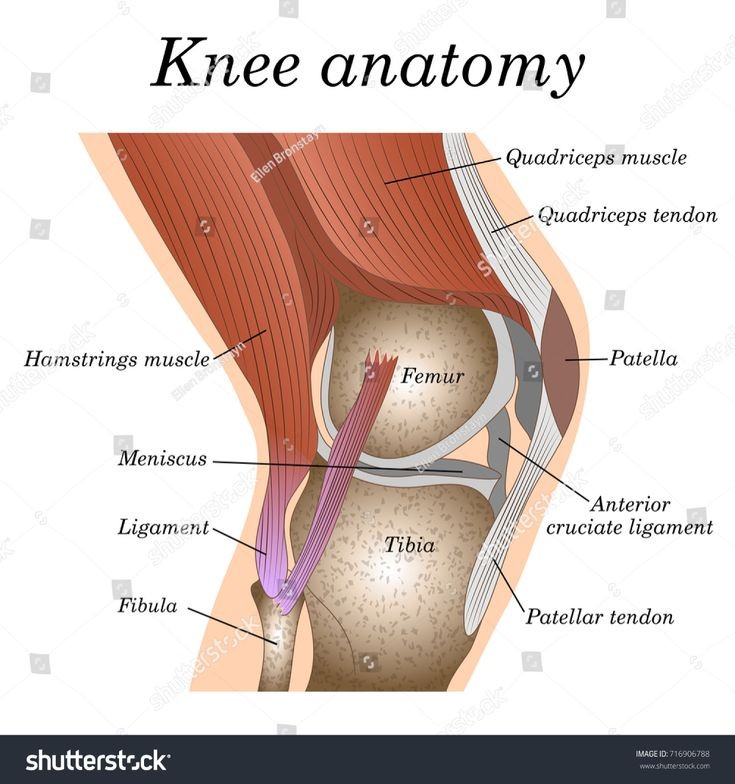
Most common running injuries occur in the knees, ankles, shins, and calves. Secondary muscles such as the back and hip muscles can also be affected. For the purposes of this post, I highlight the knee injuries most common to runners. They are: Runner’s knee, IT band syndrome, Patellar tendonitis, Miniscus damage, and Knee osteoarthritis. I’ve fallen victim to a few of these so that qualifies me to talk. Right? Bragging rights and all that. Lol. But seriously, I’m not a doctor just a runner with a personal account of running issues that I’ve either faced myself or known of others who have. So I speak from a place of familiarity and not authority.
In a peer reviewd article titled, Common Running Injuries, Knee Pain Andrew Cole MD states that both walking and running exerts extra pressure and weight on the knee that far exceeds the body’s weight: 3 times the body’s weight when walking and 5 times the body’s weight when running. No surprise then that the knee is the most susceptible joint to injury in the body.
Runner’s Knee – according toDr Michael Khadavi, Pain in the front, or anterior, part of the knee is often due to an abnormality of the patellofemoral joint and called “runner’s knee.” While runner’s knee has many underlying causes, the hallmark symptom is pain at front of the knee, around or behind the kneecap, particularly during movement such as running or squatting, or with prolonged sitting. It is most common in individuals who repetitively stress the patellofemoral joint through sports that involve running. Some causes and risk factors of runner’s knee are: sudden increase in the volume or intensity of training; overuse and overtraining of the knee; injury to the ankle, hip, or knee; weak or underdeveloped hip or thigh muscles; excessive body weight; tight quadriceps, calf, illitobial band, or hamstrings; and gender. Presumably, women are more prone to runner’s knee due to having wider hips and different knee alignment.
Some symptoms of runner’s knee include: pain in the front of the knee, a grinding or crunching sensation within the knee, pain that worsens with movement (excess friction), knee swelling, and stiffness after a period of rest or while riding in a car or sitting. Treatment is usually the RICE method: rest, ice, compress, and elevate. If symptoms extend beyond 2 weeks then it’s recommended to see a sports doctor.
Iliotibial (IT) band friction syndrome. The IT band is made of fibrous tissue that connects the buttocks muscles to the upper portion of the tibia (shin). A root cause of this injury is weak gluteus (buttock) muscles. (Yale Medicine.org) Treatment involves stretching and/or foam rolling the IT band, employing specific stretches and strengthening exercises to lengthen and strengthen the gluteal muscles, the IT band itself, and the hamstring.
Patellar tendinitis, commonly referred to as jumper’s knee, can cause pain at the front of the knee, at the lower kneecap or the bony bump at the top of the shin. The pain may be minor and felt only when exercising, or it may be severe enough to affect a person’s daily activities, such as going up stairs. Along with pain, a person may notice swelling, redness and warmth writes Andrew Cole, MD in his article “Common Running Injuries” in SPORTS-health. Jumper’s knee is common in athletes whose sports require rapid jumping or stopping from high speed, and is more common in male athletes than in women. Risk factors include: insufficient training preparation, prior injury, and being overweight. Some symptoms include: pain during athletic motion, swelling, bruising or redness, and discomfort during daily activities. It is advised to stop all athletic activity even though you may feel you can proceed to avoid a worsening of the condition. Immediate treatment include pain medications and the R.I.C.E. method for minor cases but may include prolonged treatment and even surgery depending on the diagnosis (Terry Gemas, M.D)
Miniscus Damage. The meniscus is a C-shaped pad of cartilage that separates the tibia and the femur and provides cushion and stability. It can be damaged in a single traumatic injury or degrade over time through mini-traumas. People who are older, who run on uneven surfaces, or who make sudden turns and hard stops (e.g. soccer players) are at the greatest risk for damage to the meniscus. A person with a torn meniscus can experience knee pain, swelling and stiffness. In addition, the knee may give way or lock if a piece of the torn meniscus prevents joint movement. Surgical repair is sometimes, but not always, recommended. (Andrew Cole, MD) The severity and location of the tear will be vital factors in determining a treatment regimen. Common non-surgical treatments include: R.I.C.E., antiinflammatory medication, physical therapy, electrical stimulation, and injections (Terry Gemas, MD).
Knee osteoarthritis – achy, stiff, and possibly swollen knees may be signs of osteoarthritis. Scientists have not determined definitively whether regular running or exercise causes knee osteoarthritis. Cole says that some argue against but state that if one already has it and runs, you may accelerate the wear and tear on the knee while others say that running regularly has added health benefits that outweigh arthritic damage to the knees. Some symptoms include: aches in the knee during and post workout, stiffness and pain when squatting, climbing stairs, and prolonged inactivity. Garrett Human, MD, MPH, writes that, In most but not all cases, the symptoms of knee osteoarthritis come and go, becoming worse and more frequent over months or years. It is easy to dismiss early knee arthritis symptoms, but symptoms may worsen if left untreated. The most common symptom is knee pain. Other symptoms include: swelling, stiffness, redness and warmth, reduced range of motion, worsening symptoms w inactivity, popping or crunching, and buckling or locking up.
Garret Human, MD, MPH, writes that the earlier knee arthritis is treated, the more likely knee pain can be relieved and the less likely it will get worse. Knee arthritis treatment may include nonsurgical treatments, injections, and surgery. Typically, nonsurgical treatments are tried first. Surgery is not usually necessary and recommended only when other treatments have been tried and have not adequately relieved symptoms. A combination of physical therapy, gait and posture training, and topical medications are usually used in early treatment.
Elizabeth Gardner, MD, a Yale Medicine orthopedic surgeon who specializes in sports medicine, recommends getting fitted for sneakers at a store that specializes in running shoes, and balancing running with other workouts like swimming or yoga that don’t involve pounding the pavement. “Cross-training and stretching go a long way toward avoiding running injuries.” As a believer in cross-training myself that’s sound and practical advice right there. Additionally, as a runner, I cannot overemphasize the importance of warming up prior to runs and stretching post workout and even rolling wherever and whenever you feel any tightness. It’s the little things my friends that make a big difference.
In a subsequent post, I’ll continue with a look at other common running injuries beyond the knee. Safe running friends!













 runningwithfaith